


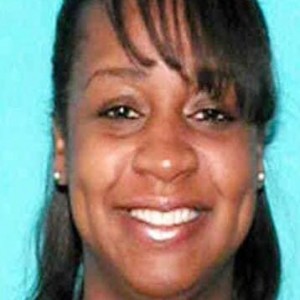
Missing: Nahendra Faye Davis (LA)
A Baker, Louisiana is missing after she was last seen dropping off her two children at her mother’s home, according to the Baker Police Department. Nahendra Faye Davis, 35, of Baker, was last seen on Thursday, December 27, 2018 at about 4:45 p.m. Police say she dropped...
Read More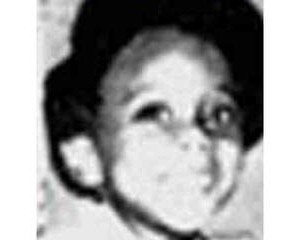
Missing for 40 years: Solomon Gomile Rose III
More than 40 years ago a three-year-old toddler disappeared from a Baltimore shopping center. Now police are asking for your help finding him. The Maryland Missing Persons Network is reminding the public that they still need help finding Solomon Gomile Rose, III, who is still...
Read More
Missing Winston-Salem Man (Dedrick Smith) On Billboard
Long after stories of the missing stop making headlines, the families are left to search and try to maintain hope. A renewed search for a Winston-Salem man, Dedrick Smith, who disappeared in 2006, is giving his family a fresh outlook – that perhaps he may be found. Dedrick...
Read More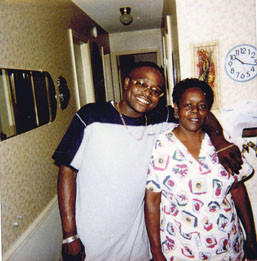
Still Missing: Antonio Yarnell Taylor (TN)
It was a Monday morning, and Antonio Taylor, 21, had a job interview just after lunchtime. He ironed his shirt and laid his clothes on the bed. His mother, Rochelle Adams, was going to pick him up later and take him to the appointment. He had big plans, and today was the first...
Read More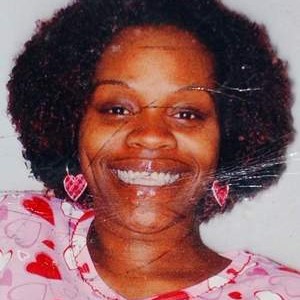
Missing Mother of Five: April Michelle Pickens (NC)
UPDATE #2: A local family and police are asking for help in locating a woman who’s been missing since December. April Pickens, 29, was last seen Dec. 26 near her home at Pisgah View Apartments. The woman, described by family members as outgoing and humorous, has five...
Read More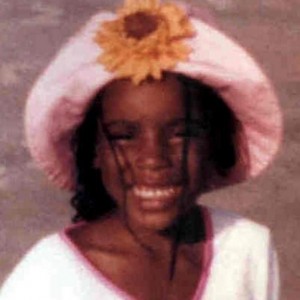
Extensive search unsuccessful for Ashani Creighton (FL)
The body of a girl who disappeared in 1997 and who authorities had said might be buried beneath a Tulsa strip mall was not found Monday despite an extensive search. Orange County, Fla., deputies, Tulsa police officers and scientists began looking on Sunday for signs of Ashani...
Read More
Missing: Genelle Princess Bradford (PA)
Genelle’s mother died when she was only 5 years old and her father was not a presence in her life. She was raised by her grandparents. She has been described as an honor roll student, smart, funny, quiet, meek and mild – a girl who had never been in any kind of...
Read More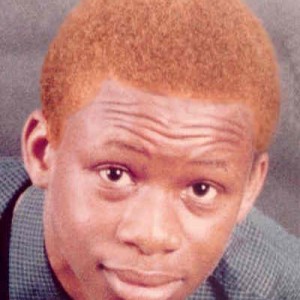
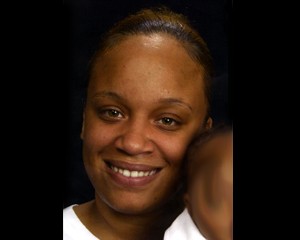
Still Missing; Tameka Anderson (Baton Rouge, LA)
Update: http://www.wafb.com/clip/12253974/crime-stoppers-tameka-anderson-murder/ One Baton Rouge family is on a mission to find their loved one. Tameka “Kesha” Anderson has been missing for six days. Her family has hit the streets of Ascension Parish and Baton...
Read MoreMissing Black Americans: Cases That Need Attention
Black Americans make up nearly 40% of missing persons cases in the U.S. - but less than 15% of the population. BAMBNF documents these cases, supports families, and pushes for the same media urgency that other cases receive as a matter of course.
About BAMBNF
Black and Missing But Not Forgotten is a not for profit organization focused on spotlighting and finding missing African Americans. Established in July 2007, BAMBNF envisions a world in which every missing Black child and adult receives equal attention in the media and resources towards being safely found. BAMBNF seeks to develop relationships with media, government agencies and the public to ensure that missing African Americans receive prompt attention and concern to garner the best possible outcomes for each and every case.
Mission
Black And Missing But Not Forgotten’s mission is to draw more attention to missing African Americans and to help bring them home. BAMBNF offers support to the families and loved ones of missing African Americans by providing an outlet for spreading the word through technology and print. Furthermore, we aim to raise awareness of the racial disparities in mainstream media’s reporting of the missing and seek equal coverage of missing African Americans.
Contact Us
For all questions, comments and volunteer opportunities please email:
If you have a loved one missing or know of someone who missing and need our help getting the word out please email us with a clear picture of your loved one and all pertinent information (full name, date of birth, disappearance and contact information)
Multi Media Bar

A Baker, Louisiana is missing after she was last seen dropping off her two children at...
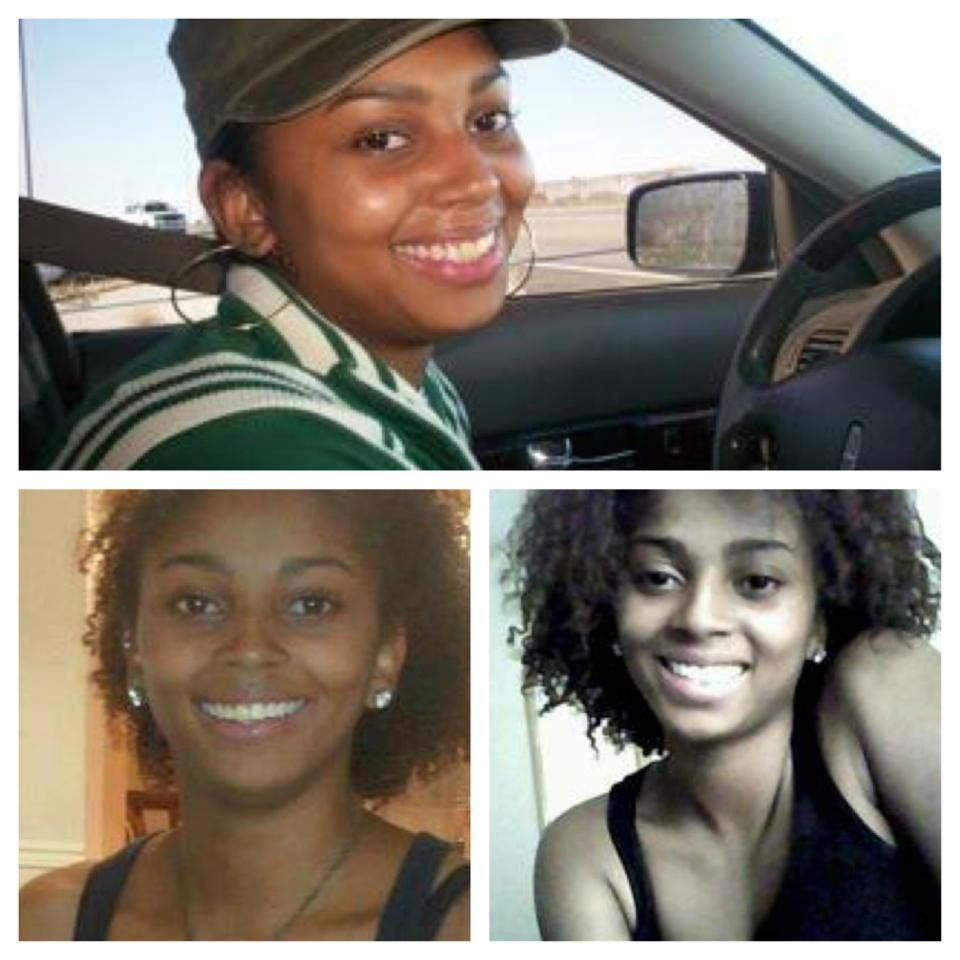
A St. Louis County couple continues to search for their daughter who disappeared...

Joquasha Samuel misses the smile of her brother and also his sense of style. The...

...

19-year-old Tova Jaileau Barnett was last seen in Baton Rouge, Louisiana on December 2,...

When Linda Archie calls her daughter’s cellphone, she prays she’ll hear her...
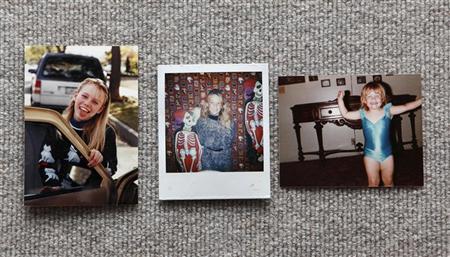
Anxiety over two cases of missing children in the news this week – New York’s...
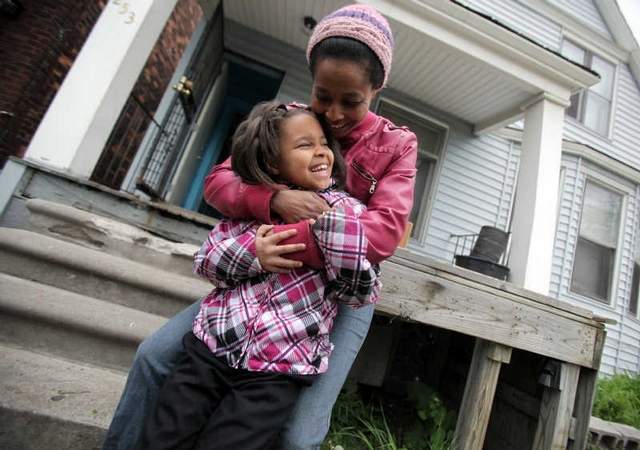
Banika Jones’ 2-year-old daughter disappeared in December. Four months later, she...
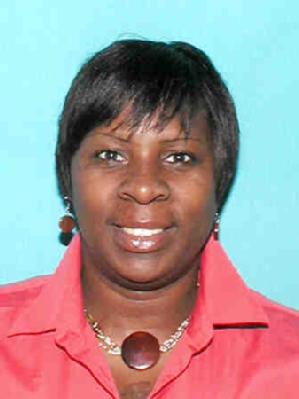
Kamanthe Landry describes herself as “a woman of style and class” on the...
More than 40 years ago a three-year-old toddler disappeared from a Baltimore shopping...
Who We Are and What We Do
Black and Missing But Not Forgotten (BAMBNF) is a nonprofit founded in July 2007. The mission is specific: bring media attention to cases of missing Black Americans and secure the same resources that other disappearances receive. BAMBNF works directly with families, journalists, and government agencies - not as a middleman, but as an active participant in the search.
The organization maintains a case directory, helps spread information through digital and print channels, and remains one of the few resources where missing Black Americans are documented systematically - not only when it suits a news cycle.
Why Black Missing Cases Get Less Coverage
This is not an assumption. Research by the Columbia Journalism Review found that the disappearance of a 16-year-old Black girl generates an average of 11 news stories, while a missing white woman in her early 20s can receive coverage in more than 120. A tenfold gap - not in the quality of coverage, but in whether it exists at all.
The Numbers Behind the Disparity
| Metric | Figure | Source |
|---|---|---|
| Share of missing persons who are Black | ~38-40% | NCIC, 2024 |
| Share of Black Americans in the U.S. population | ~14.4% | Pew Research Center |
| Total missing persons cases recorded in 2024 | 500,000+ | FBI / NCIC |
Journalist Gwen Ifill called this "Missing White Woman Syndrome." The term stuck not because it was catchy, but because it was accurate. Fewer stories mean fewer tip-line calls, fewer witnesses, and a lower chance of coming home alive.
Current Missing Persons Cases
BAMBNF's directory spans multiple decades. Some cases are 10, 15, or 40 years old. Solomon Gomile Rose III disappeared in 1972 at age three from a Baltimore shopping center - his case is still open. Nahendra Faye Davis of Baker, Louisiana was last seen in December 2018 after dropping her two children off at her mother's home. April Pickens, a mother of five, has not been seen since December 26.
This is not an archive. These are active cases where a tip from the right person can still change the outcome.
How to Report a Missing Person
The first step is the police department in the jurisdiction where the person was last seen. There is no waiting period - not for children, not for adults. That is a common misconception that has cost many cases several critical hours.
What to Include When You Submit a Case
After filing a report, confirm that the information has been entered into NCIC - the national database accessible to any law enforcement agency in the country. If an officer in another state encounters the missing person and runs their name, the case status will come up immediately.
To file a report and submit a case to BAMBNF, prepare the following:
- A clear, recent photo (ideally taken within the past year)
- Full legal name and date of birth
- Date and location of last known appearance
- Identifying features: tattoos, scars, chronic medical conditions
- Contact information for follow-up
The more complete the information at the time of filing, the faster the record enters NCIC and the broader the search reach.
Get Involved
BAMBNF runs on people who share cases, donate, and stay informed. Reposting information about a missing person is not a symbolic gesture. One person in the right place, seeing the right post, has closed more than one case.
If you know of a missing Black American whose case is not getting attention, contact BAMBNF at [email protected]. The organization will help get the word out where it is needed most.

Copyright © Black and Missing, But Not Forgotten All rights reserved. Privacy Policy Terms and Conditions
Website Designed and Maintained by StudioGreen | Powered by WordPress

Recent Comments